Heavy Machinery Malfunction: Product Liability vs. Workplace Safety Violations sets the stage for this enthralling narrative, offering readers a glimpse into a story that is rich in detail and brimming with originality from the outset.
As we delve deeper into the complex interplay between product liability and workplace safety violations in the realm of heavy machinery malfunctions, a fascinating journey unfolds.
Product Liability
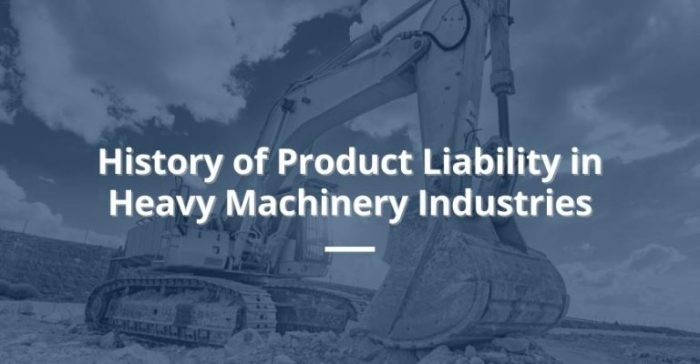
Product liability refers to the legal responsibility of manufacturers or sellers for injuries caused by defective products. In the context of heavy machinery malfunction, product liability comes into play when a piece of heavy equipment fails to perform as intended, resulting in harm to the operator or other individuals.
Examples of Product Liability Lawsuits Related to Heavy Machinery Malfunctions
- A construction worker injured due to a faulty crane that collapses while in operation.
- An industrial worker harmed by a defective conveyor belt system that malfunctions unexpectedly.
- A farmer hurt by a malfunctioning tractor that catches fire due to a manufacturing defect.
Responsibilities of Manufacturers in Ensuring the Safety of Heavy Machinery Products
Manufacturers of heavy machinery have a duty to design, produce, and distribute equipment that meets safety standards and performs as expected under normal usage conditions. They are responsible for conducting thorough testing, quality control measures, and providing clear instructions for safe operation.
In case of any defects or malfunctions, manufacturers must promptly issue recalls or warnings to prevent accidents and injuries.
Workplace Safety Violations
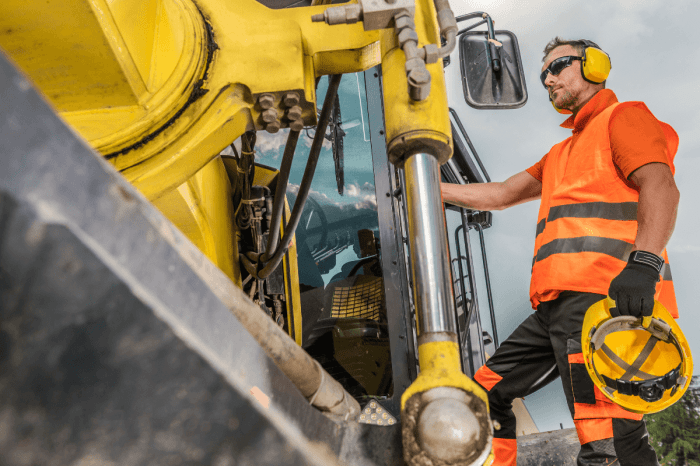
Workplace safety violations are breaches of regulations and protocols put in place to ensure the well-being of workers in industrial settings, particularly when operating or maintaining heavy machinery. These violations can lead to serious accidents, injuries, or even fatalities if not addressed promptly and effectively.
Common Workplace Safety Violations
- Failing to provide adequate training for employees on how to operate and maintain heavy machinery properly.
- Ignoring safety protocols and procedures, such as wearing proper personal protective equipment (PPE) while working with heavy machinery.
- Failure to conduct regular maintenance checks on heavy machinery to ensure they are in optimal working condition.
- Overlooking safety warnings and instructions provided by manufacturers on the proper use of heavy machinery.
Impact of Workplace Safety Violations
Statistics and case studies reveal the dire consequences of workplace safety violations in industrial settings. For example, a study by the Occupational Safety and Health Administration (OSHA) found that workplace safety violations in the manufacturing sector resulted in numerous injuries and fatalities due to accidents involving heavy machinery.
In another case study, a construction company was fined for multiple safety violations after a worker was severely injured while operating a faulty crane.
Legal Implications
Legal implications of heavy machinery malfunctions can vary significantly depending on whether the issue stems from product liability or workplace safety violations. Let's explore the differences in legal consequences and how companies can navigate these challenges effectively.
Comparing Legal Consequences
In heavy machinery accidents caused by product liability, the legal focus is typically on holding the manufacturer or distributor accountable for defects in the machinery. This can result in lawsuits seeking compensation for injuries or damages caused by the faulty product.
On the other hand, workplace safety violations that lead to machinery malfunctions may result in fines or penalties imposed by regulatory bodies for failing to maintain a safe work environment.
- Product Liability: Companies may face lawsuits for negligence, breach of warranty, or strict liability in cases of defective heavy machinery. Compensation for victims may include medical expenses, lost wages, and pain and suffering.
- Workplace Safety Violations: Companies may be fined for violating safety regulations, such as inadequate training, lack of maintenance, or failure to provide proper safety equipment. Repeat violations can lead to increased penalties and possible shutdown of operations.
Differences in Legal Frameworks
The legal frameworks for addressing product liability and workplace safety violations also differ in terms of the burden of proof and the parties involved. Product liability cases often require proving that the machinery was defective and caused harm, while workplace safety violations focus on proving non-compliance with established safety standards.
Companies must ensure compliance with product safety regulations and occupational health and safety laws to avoid legal repercussions.
Navigating Legal Challenges
To navigate legal challenges associated with heavy machinery malfunctions, companies should prioritize regular maintenance, proper training for employees, and thorough documentation of safety protocols. Engaging legal counsel to review contracts, insurance coverage, and risk management strategies can also help mitigate potential liabilities in the event of accidents.
- Implementing strict quality control measures can reduce the risk of product defects and subsequent liability claims.
- Conducting regular safety inspections and addressing any violations promptly can demonstrate a commitment to workplace safety and compliance with regulations.
Prevention Strategies
Heavy machinery malfunctions can lead to serious accidents in industrial environments, posing a significant risk to workers' safety and company operations. Implementing effective prevention strategies is crucial to ensure the safe operation of heavy machinery and reduce the likelihood of workplace accidents.
Training and Education
Training and education play a vital role in reducing the risk of workplace accidents involving heavy machinery. Proper training ensures that workers are equipped with the necessary knowledge and skills to operate machinery safely. This includes understanding operational procedures, emergency protocols, and best practices for using heavy equipment.
Regular training sessions and refresher courses can help reinforce safety measures and promote a culture of safety awareness among employees.
Regular Maintenance and Inspections
Regular maintenance and inspections are essential for ensuring the safe operation of heavy machinery. Scheduled maintenance checks help identify and address potential issues before they escalate into major malfunctions. Inspections should be conducted by qualified technicians to assess the condition of the machinery, including components such as brakes, hydraulics, and electrical systems.
Implementing a preventive maintenance program can help extend the lifespan of equipment and prevent costly breakdowns that may compromise workplace safety.
Summary
In conclusion, the discussion surrounding Heavy Machinery Malfunction: Product Liability vs. Workplace Safety Violations sheds light on the intricate dynamics at play when addressing legal implications and prevention strategies in industrial settings. It underscores the importance of proactive measures to ensure the safety and well-being of workers and the public.
User Queries
What are the common workplace safety violations that contribute to heavy machinery malfunctions?
Common workplace safety violations include inadequate training of operators, failure to conduct regular machinery inspections, and improper maintenance practices. These violations significantly increase the risk of accidents and malfunctions.
How can companies navigate legal challenges associated with heavy machinery malfunctions?
Companies can navigate legal challenges by implementing robust safety protocols, conducting thorough investigations into accidents, and ensuring compliance with industry regulations. Seeking legal counsel specialized in product liability and workplace safety can also be beneficial.
What are the best practices for preventing heavy machinery malfunctions in industrial environments?
Best practices include regular maintenance schedules, comprehensive training programs for operators, strict adherence to safety guidelines, and immediate reporting of any machinery issues. These proactive measures can significantly reduce the risk of malfunctions and accidents.