Kicking off with Warehouse Injury Lawyer: Investigating Forklift and Loading Dock Accidents, this opening paragraph is designed to captivate and engage the readers, setting the tone casual formal language style that unfolds with each word.
As we delve into the details of warehouse injuries, forklift accidents, and loading dock incidents, a comprehensive understanding of the legal aspects surrounding these occurrences will be unveiled.
Overview of Warehouse Injuries
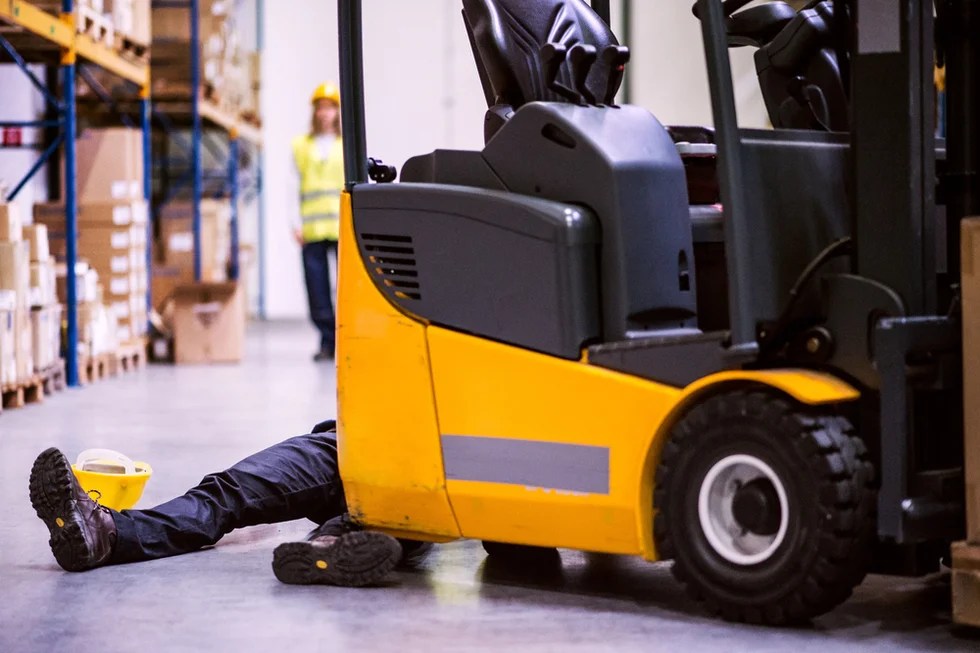
In warehouses, workers are at risk of various types of injuries due to the nature of their work environment. These injuries can have a significant impact on both the workers and the businesses they work for.
Common Types of Warehouse Injuries
- Back injuries from lifting heavy objects
- Slips, trips, and falls
- Repetitive strain injuries
- Crush injuries from machinery or falling objects
Frequency of Warehouse Accidents
According to the Occupational Safety and Health Administration (OSHA), there are approximately 15,000 warehouse accidents reported every year in the United States alone.
Impact of Warehouse Injuries
- Physical pain and suffering for the injured workers
- Loss of productivity and increased costs for businesses
- Potential legal ramifications and compensation claims
Forklift Accidents
Forklift accidents in warehouses can have serious consequences, leading to injuries and even fatalities. It is crucial to understand the causes of these accidents, best practices for forklift operation, and the role of OSHA regulations in preventing such incidents.
Causes of Forklift Accidents
- Speeding and reckless driving: Operators who exceed the speed limit or engage in unsafe driving practices increase the risk of accidents.
- Improper training: Lack of proper training for forklift operators can result in errors and dangerous situations.
- Overloading: Exceeding the load capacity of a forklift can lead to tip-overs and other accidents.
- Poor maintenance: Neglecting regular maintenance and inspections can cause mechanical failures that result in accidents.
Best Practices for Forklift Operation and Safety
- Provide comprehensive training for all forklift operators, including proper handling techniques and safety procedures.
- Enforce strict speed limits and safe driving practices within the warehouse premises.
- Regularly inspect and maintain forklifts to ensure they are in optimal working condition.
- Implement clear signage and designated pathways to prevent collisions and ensure pedestrian safety.
Role of OSHA Regulations
- OSHA (Occupational Safety and Health Administration) sets safety standards and regulations for forklift operation to protect workers from accidents.
- Employers are required to comply with OSHA regulations, including providing training, maintaining equipment, and creating a safe work environment.
- Regular OSHA inspections help identify potential hazards and ensure that safety protocols are being followed in warehouses.
Loading Dock Accidents
When it comes to loading dock accidents, there are several common hazards that workers should be aware of to ensure their safety.
Identifying Common Hazards
- Uneven surfaces or slippery floors that can lead to slips, trips, and falls.
- Improperly secured loads that may fall during loading or unloading.
- Inadequate lighting that can make it difficult to see potential hazards.
- Collisions between forklifts, trucks, or other vehicles operating in the area.
- Open dock doors without proper barriers or warning signs.
Safety Measures to Prevent Accidents
- Provide proper training for all employees on safe loading dock practices.
- Maintain clear pathways and designated areas for pedestrian and equipment traffic.
- Regularly inspect and maintain loading dock equipment, such as dock levelers and safety barriers.
- Use proper signage and markings to indicate potential hazards and safety guidelines.
- Implement a thorough safety protocol in case of emergencies or accidents.
Legal Responsibilities of Employers
- Ensuring that loading docks are properly maintained and free of hazards.
- Providing appropriate safety equipment and training to employees.
- Complying with OSHA regulations and industry standards for loading dock safety.
- Investigating and addressing any reported safety concerns promptly.
- Establishing clear procedures for reporting accidents and near misses.
Role of Warehouse Injury Lawyers
Warehouse injury lawyers play a crucial role in helping individuals who have been injured in warehouse accidents receive the compensation they deserve. These legal professionals specialize in handling cases related to warehouse injuries, including forklift accidents and loading dock incidents.
Services Provided by Warehouse Injury Lawyers
Warehouse injury lawyers provide a range of services to their clients, including:
- Conducting investigations to determine the cause of the accident
- Gathering evidence to support the client's claim
- Negotiating with insurance companies on behalf of the client
- Representing the client in court if a lawsuit is necessary
How Warehouse Injury Lawyers Investigate Accidents
Warehouse injury lawyers investigate accidents by:
- Interviewing witnesses and obtaining statements
- Reviewing surveillance footage and accident reports
- Consulting with experts to analyze the cause of the accident
- Gathering medical records and other relevant documentation
Process of Filing a Claim or Lawsuit for Warehouse Injuries
The process of filing a claim or lawsuit for warehouse injuries typically involves:
- Evaluating the extent of the client's injuries and damages
- Determining liability for the accident
- Filing a claim with the at-fault party's insurance company
- Negotiating a settlement or pursuing a lawsuit if a fair settlement cannot be reached
Final Review
In conclusion, the role of warehouse injury lawyers in investigating forklift and loading dock accidents is crucial in ensuring justice and compensation for those affected. By shedding light on the legal responsibilities of employers and the processes involved in filing a claim, these professionals play a vital role in upholding safety standards in warehouse environments.
Key Questions Answered
What are the common types of injuries that occur in warehouses?
Common injuries include slips and falls, back strains, and being struck by objects.
What are the best practices for forklift operation and safety?
Best practices include proper training for operators, regular maintenance of forklifts, and adhering to safety guidelines.
What services do warehouse injury lawyers provide?
Warehouse injury lawyers offer legal representation, investigation of accidents, and assistance in filing claims or lawsuits.